Karur's economy
What Karur makes, and the apps it needs
If you are comparing options for a mobile app development company in Karur, the first question should be whether that team understands Karur's industries. The district rests on three export-heavy clusters, a long banking tradition and a large paper mill, and every one of them runs on detailed, fast-moving paperwork.
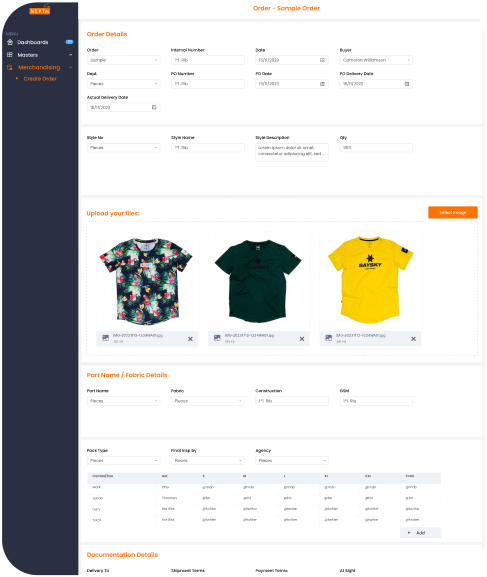
Home textiles come first. Karur is known internationally for handloom and power-loom made-ups: bed spreads, towels, kitchen linen, table mats, curtains, cushion covers and shower curtains shipped largely to buyers in the United States and Europe. The Tamil Nadu MSME department's District Export Action Plan puts the foreign exchange earned from home textiles and mosquito nets at around ₹6,900 crore a year, with roughly one lakh people employed across the textile chain, many of them women from nearby villages.
The same plan notes that more than 80 percent of India's mosquito net production comes from Karur, from about 300 units, and that close to 60 bus body building units operate in and around the town. That makes Karur one of the best-known places in the country to have a bus body built on a new chassis.
Karur also has deep roots in banking. Karur Vysya Bank was founded here in 1916 to finance local traders and farmers and still keeps its head office in the town, and Lakshmi Vilas Bank also began in Karur. At Kagithapuram near Pugalur, Tamil Nadu Newsprint and Papers Limited runs what is described as the world's largest bagasse-based paper mill, surrounded by transport and supply businesses.
What ties these sectors together is volume and documentation: purchase orders, sampling, inspections, piece-rate wages, dispatches and loan collections. Spreadsheets and WhatsApp groups can carry that load for a while, but not reliably at export scale, and that gap is exactly where a well-scoped mobile app pays for itself.