Mobile-first SaaS products

SaaS Application Development Company in Coimbatore

Subscription products your customers run from their phones, with the admin console, plans and secure backend built by the same team.

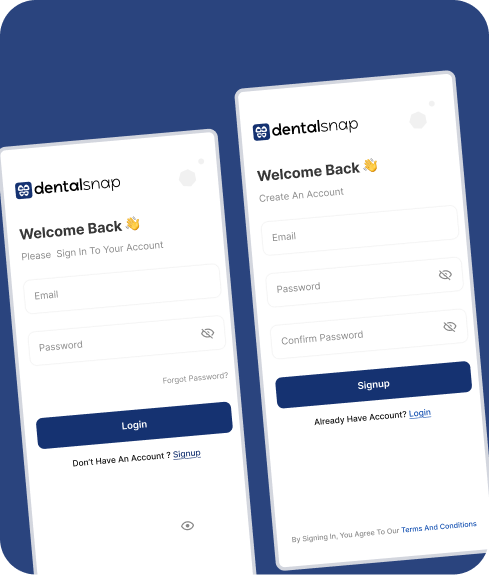
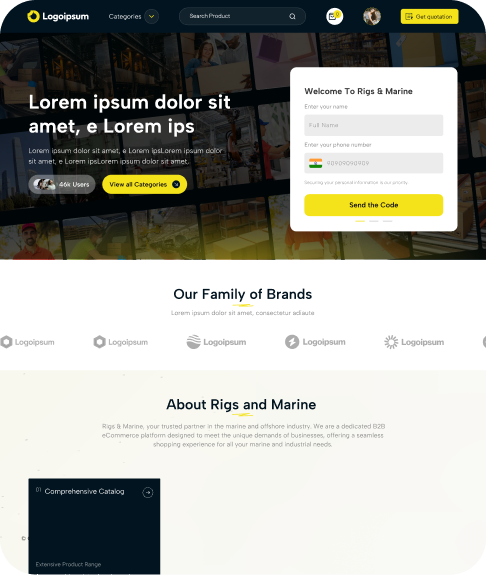
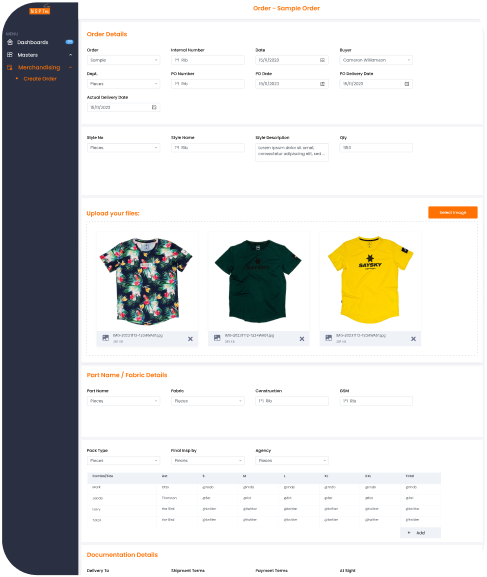
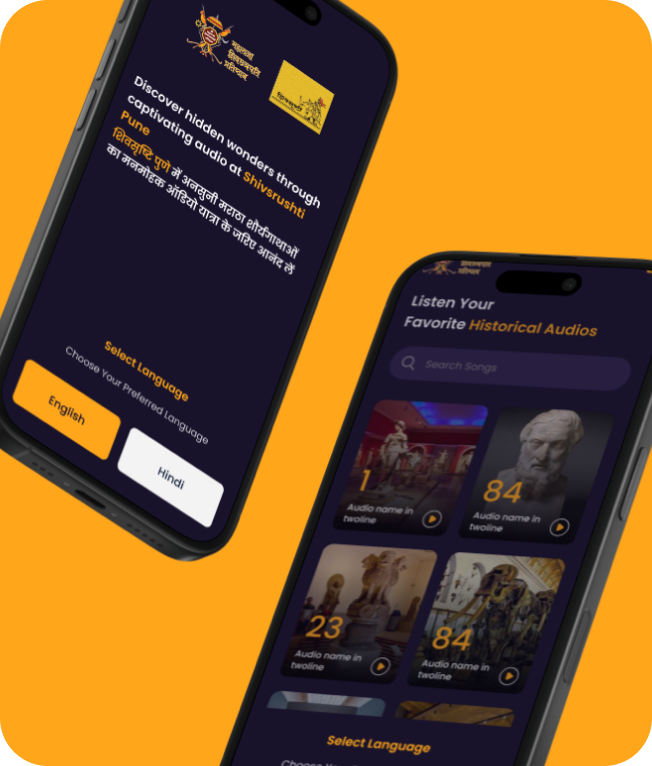
  1. Android and iOS apps
  2. Admin console
  3. Plans and access
  4. Tenant-safe backend
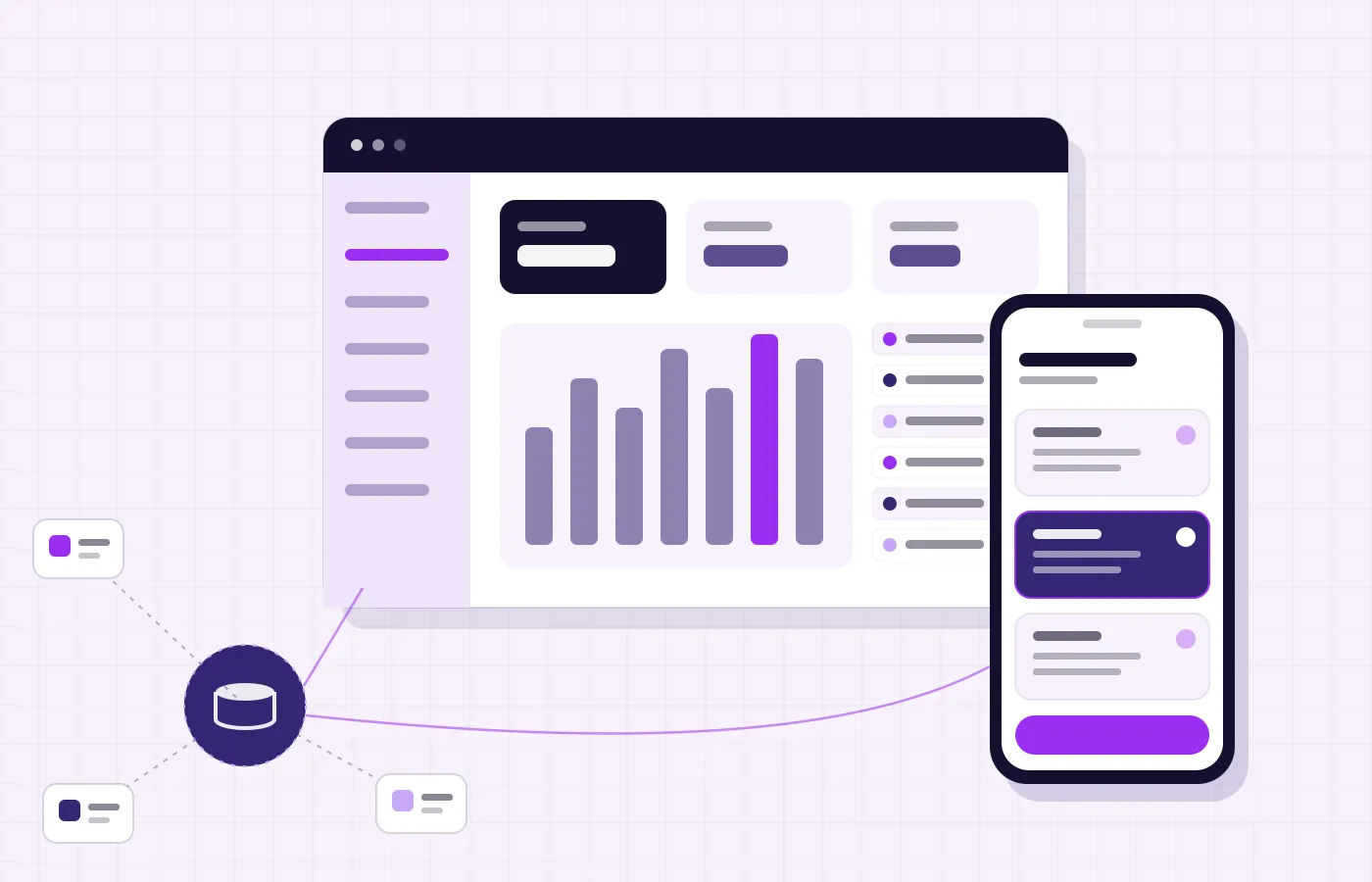
Illustration of an admin console and a phone showing subscription plans, both connected to one shared database for several customer accounts, in Itboomi purple

What a SaaS product needs

Four layers, one product

A SaaS application is more than an app with a login. Every customer account needs its own users, data and plan, and you need a way to run all of them from one place.

  1. Customer app on Android and iOS

    The screens your customers' staff open every day: entries, approvals, bookings, reports. Built with React Native so both stores get the same release, with offline entry where people work away from good signal.

  2. Admin and account console

    Where each customer's owner adds users, sets roles and sees reports, and where your own team manages accounts, support requests and plan changes.

  3. Plans, trials and feature access

    Which account is on which plan, what each plan unlocks, when a trial ends and what the app shows when a renewal is due. The rules live on the server, so a changed plan takes effect without an app update.

  4. Shared backend with tenant isolation

    One codebase and database design serving every customer, with each record tagged to its account and every request checked, so one business can never see another's data.

SaaS in Coimbatore

Why Coimbatore founders build SaaS around the phone

Many people searching for a SaaS application development company in Coimbatore already know their market well. They have run a pump dealership, a textile unit, a clinic, a school or a service business, and they have seen the same notebook, spreadsheet or WhatsApp routine repeated in every firm around them. The product idea is to turn that routine into software that many businesses rent rather than build for themselves.

In these markets, the people doing the work rarely sit at a desk. Supervisors walk the shop floor, technicians travel between sites, sales staff visit dealers and owners check figures in the evening on their phones. That is why we design the mobile app first and treat the web console as the control room behind it, not the other way round.

Itboomi is a dedicated mobile app development company. Our office is in Tiruppur, serving Coimbatore, and we build the Android and iOS apps together with the admin console and backend they depend on, so one team answers for the whole product. We work with Coimbatore founders over video calls and shared test builds, and meet in person for workshops when a process needs to be seen on site.

Decisions we settle early

Six choices that shape a SaaS build

Each of these is cheap to decide on paper and expensive to change after customers are using the product. We agree them with you during discovery.

DecisionOur usual starting pointWhy it matters
How customer accounts are separatedOne shared database, every record carrying an account ID, with access checks on every request.It keeps hosting and updates simple for a young product, and the checks are what stop data leaking between businesses.
How subscriptions are soldPlans managed on the server; payment route chosen per platform after checking current store rules.Google Play and the App Store require their own billing for many digital subscriptions sold inside an app, so the upgrade screen has to fit the rules from day one.
How a new customer gets startedSelf sign-up with a guided first setup, or invited accounts for sales-led products.The first ten minutes decide whether a trial becomes a paying account, so onboarding is designed as carefully as the main screens.
Roles and permissionsOwner, manager and staff roles to begin with, defined per account.Business customers expect a supervisor to see more than a field worker; adding roles later means touching every screen.
Offline behaviourEntries saved on the phone and synced with a visible status when the network returns.Factories, farms and field routes around Coimbatore often have patchy signal, and lost entries lose customers.
Personal data and consentCollect only what the product needs, record consent and support deletion requests.India's Digital Personal Data Protection Act, 2023 applies to the personal data your customers enter, and buyers increasingly ask how it is handled.

Recent work

Products from our recent portfolio

These are the newest builds at the top of our portfolio. One already sells recruiter plans with a free trial, one is our own product built for teams that run many sites, one serves two kinds of users from a single app, and one runs daily reports for a company in the field.

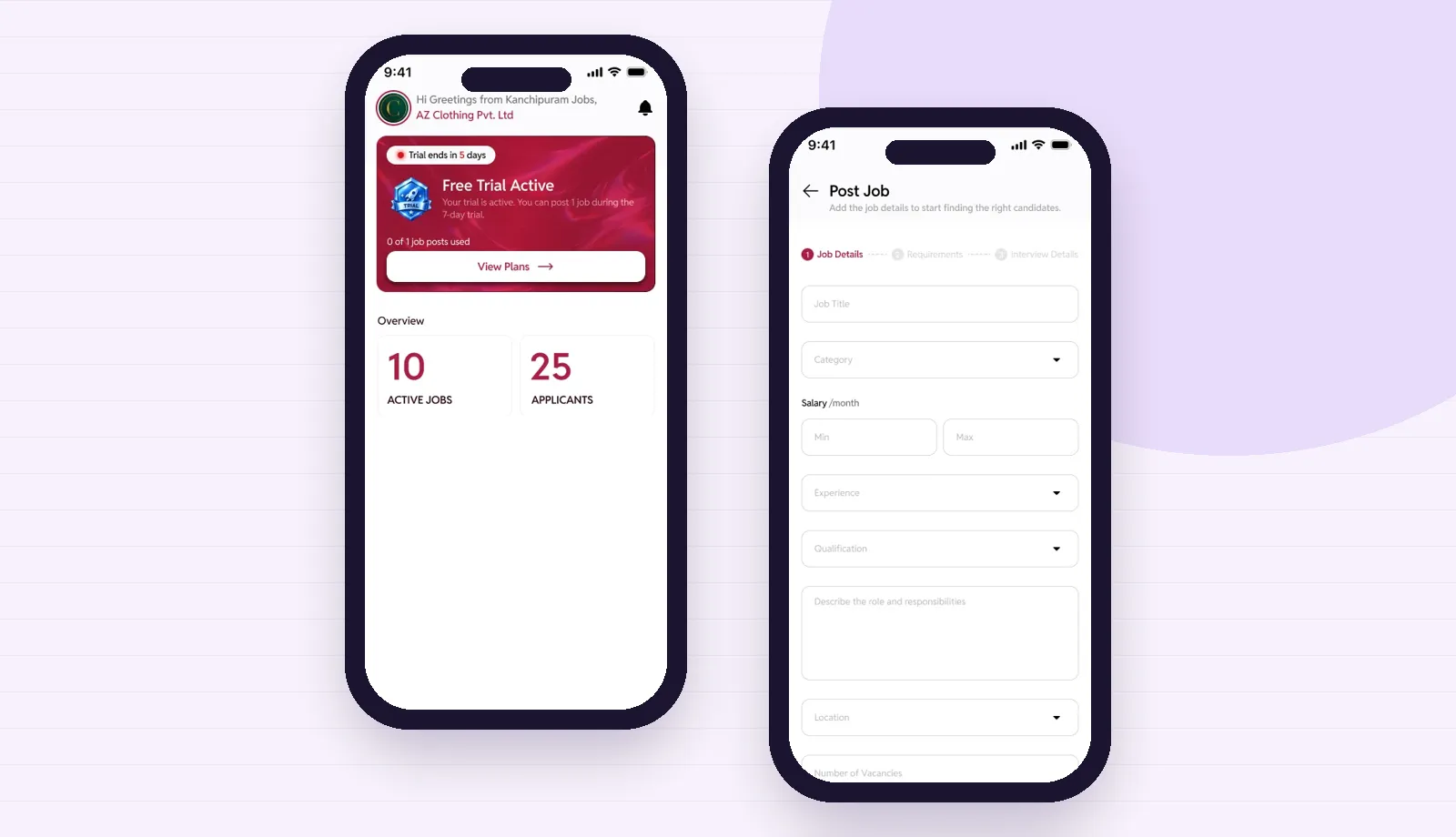
Two Kanchipuram Jobs screens by Itboomi: the recruiter dashboard with a free trial banner, active jobs and applicants, and the three-step post a job form

Two roles, recruiter plans

Kanchipuram Jobs

Job seekers and recruiters sign in to the same app and choose a role. The recruiter dashboard shows plan status with a free trial, active jobs and applicant counts, and new jobs go through a three-step form with a review screen.

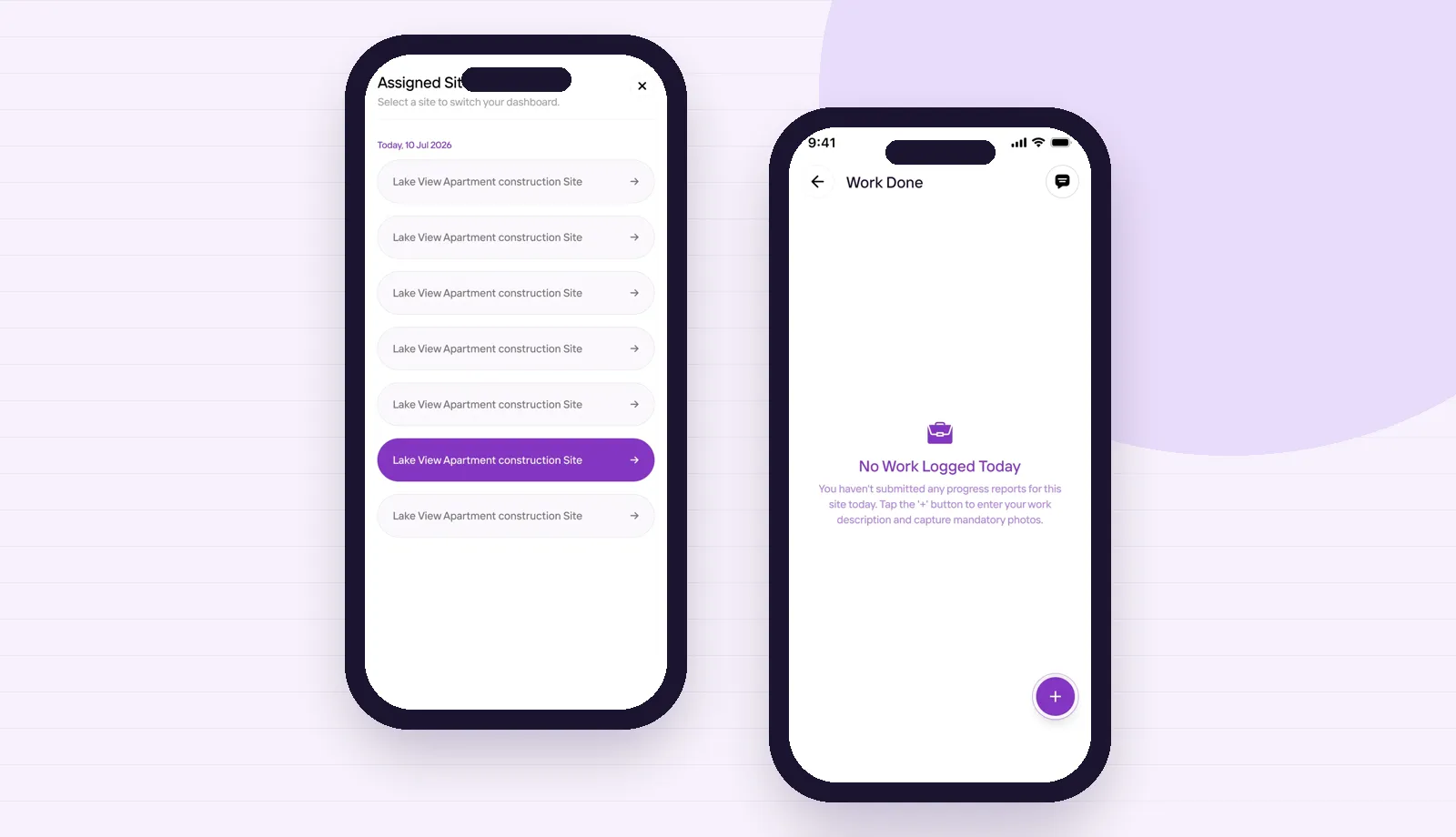
Two Kaarya Site screens by Itboomi: switching between assigned sites and the work done screen that asks for photos

Our own product, many sites

Kaarya Site

Itboomi's own site management product. Engineers switch between assigned sites and every record follows the selected one, which is the same separation a SaaS product needs between customer accounts.

Two Ggloty screens by Itboomi: explore artists by category and choose a date and time slot

Two-sided booking app

Ggloty

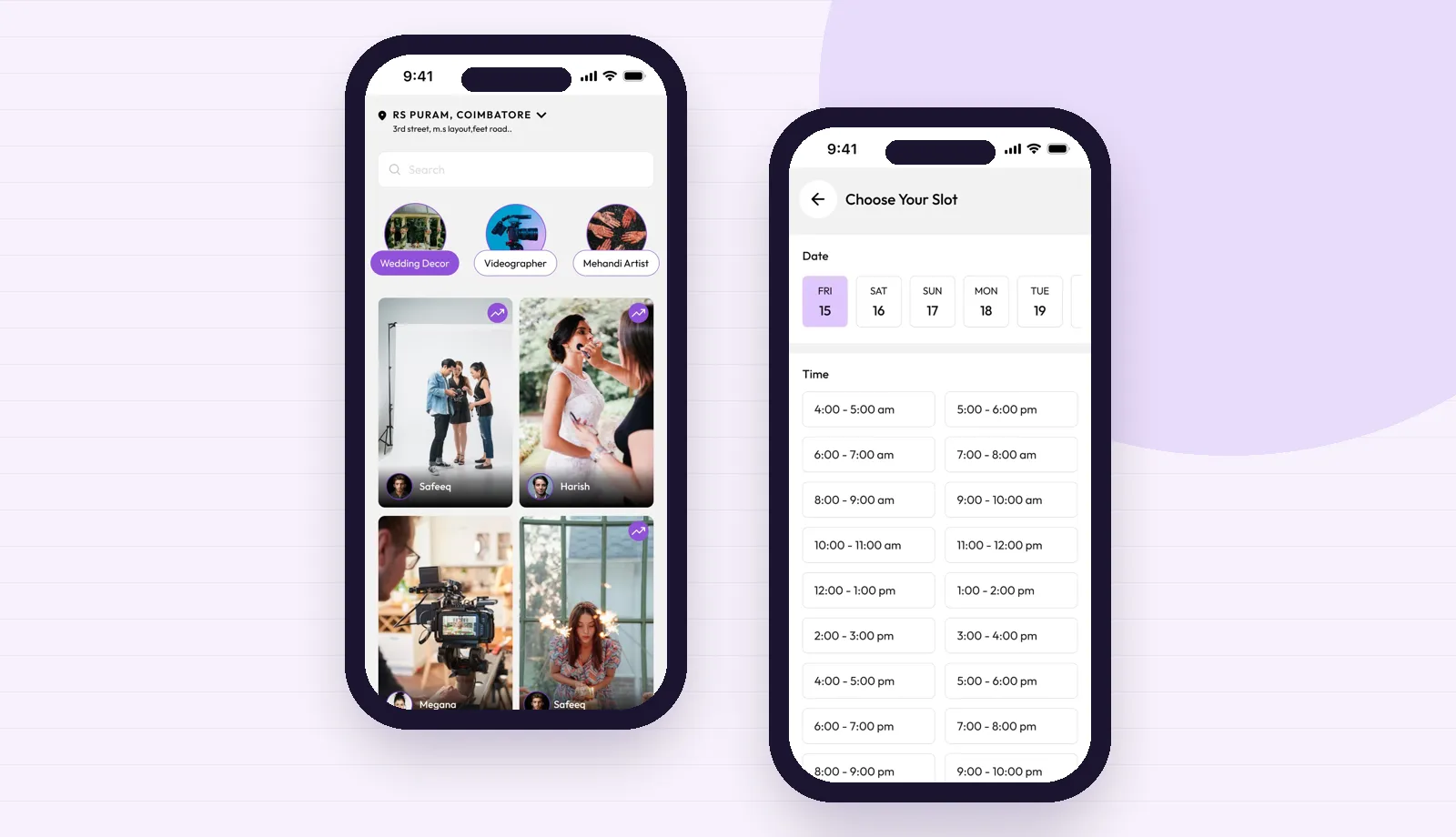
Customers browse and book artists by category and time slot, while artists manage their own bookings from a dashboard in the same app.

Two Hyprotek screens by Itboomi: labour punch-in attendance and the site reports list

Daily records and reports

Hyprotek

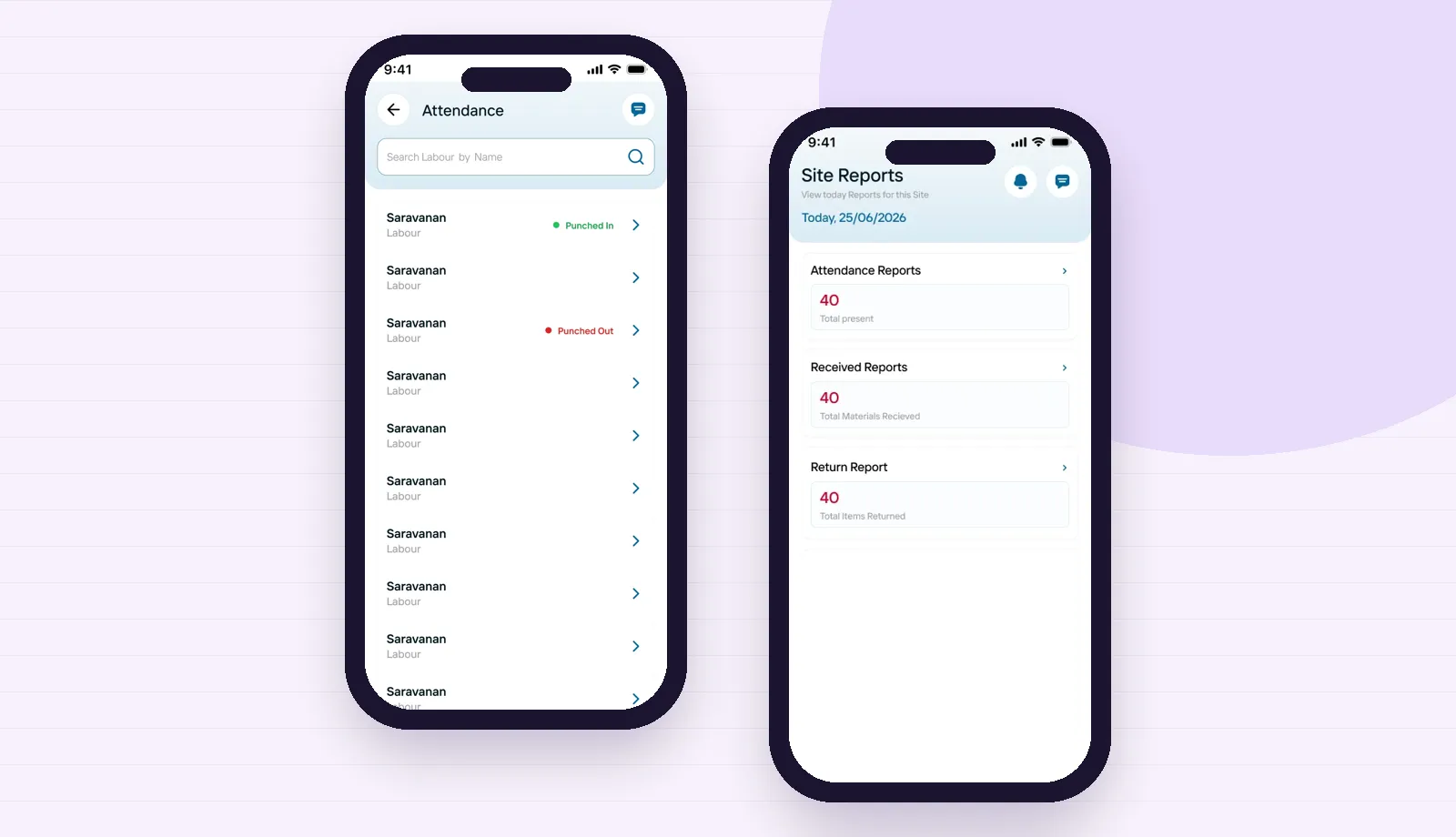
Attendance with photos and a reports tab covering attendance, received, returned and consumed material, the kind of daily routine many vertical SaaS products are built on.

See the full portfolio

From idea to paying customers

How we build a SaaS product

  1. Discovery and scope

    We map who pays, who uses the app and what the first release must prove, then write the scope, roles and plans down before design starts.

  2. Design of both sides

    Phone screens for daily users and console screens for account owners are designed together, so the same words and flows carry across.

  3. Backend and tenancy first

    Accounts, roles, plan checks and data separation are built and tested before feature screens, because everything else rests on them.

  4. Sprint builds with pilot customers

    Installable builds every sprint, tried by one or two friendly businesses whose feedback decides the next priorities.

  5. Launch and run

    Store listings, privacy answers and the production setup handled by us, then monitoring, fixes and planned feature releases after launch.

Selling subscriptions

Getting paid without breaking store rules

The payment question surprises many first-time SaaS founders. When a digital subscription is sold inside an Android or iOS app, Google Play and the App Store usually require their own billing systems, with exceptions such as services used outside the app and, in some markets including India, alternative billing programmes. Business products are often sold by a sales team and invoiced directly, with the app used only to sign in. We check the current policies for your exact model before we design the upgrade screen, because a rejected store review can delay launch by weeks.

Whatever route you choose, plans and entitlements stay on the server. The app asks what an account may do and shows the right screens, so you can change a plan, extend a trial or run an offer without shipping a new version.

Trust and data

What business buyers will ask you

Companies that rent your software will want to know where their data lives, who can see it and how they get it back if they leave. We build export and deletion into the console, keep an audit trail of important changes, encrypt data in transit and restrict staff access on your side to what support actually needs.

For a product sold in India, the Digital Personal Data Protection Act, 2023 shapes how personal data is collected, used and erased. We design consent and deletion flows into the product, and we recommend you take legal advice on your own privacy policy and contracts.

SaaS in the region

SaaS companies in Coimbatore and where a phone-first product fits

Coimbatore already has software firms that sell subscription products, mostly web dashboards for accounts, HR, schools and manufacturing. The gap we see most often is not another dashboard but the person away from the desk: the technician, the van salesman, the site supervisor or the parent who will never open a laptop. A SaaS product that treats the phone as the main screen, and the console as the place where owners configure and review, competes on a different axis from those desktop tools.

That is also why many of our SaaS conversations start from a vertical business routine rather than a generic idea. An owner who has already asked us for a single-company CRM app, billing app, inventory software or mobile ERP sometimes realises that every firm in the same trade has the same problem. The single-company version proves the workflow; the SaaS version adds accounts, plans and onboarding so other firms can rent it.

First customers

Picking a first vertical and pilot customers

A SaaS product for every kind of business usually ends up serving none of them well. We encourage founders to pick one trade first, such as pump dealers, tuition centres, garment job-workers or clinics, and to name two or three real businesses who will use the pilot every day. Their routines decide the first release, their language goes on the buttons and their complaints set the next sprint.

During the pilot we keep the plan rules simple: a trial period, one paid plan and a manual upgrade if needed. Pricing experiments, coupons and tiered features come later, once there is evidence of which features accounts actually use. That keeps the first build focused on the part customers pay for, which is the daily work the app makes easier.

After launch

Measuring and improving the product

A SaaS product earns its keep through renewals, so we instrument the moments that predict them: sign-up, first setup completed, first real entry, invitations sent to colleagues and the features each plan actually uses. Those numbers, not opinions, decide what goes into the next release.

If your product is a single app for your own company rather than something you will rent to others, our custom mobile app development page is a better starting point. Founders validating an idea can read about startup app development and MVP app development, and the React Native page explains the framework behind our apps. Products with smart features are covered on the AI app development page, and you can always start on the contact page.

FAQ

SaaS application development questions

Do you build SaaS applications for businesses in Coimbatore?

Yes. Itboomi is a dedicated mobile app development company based in Tiruppur, serving Coimbatore. We build mobile-first SaaS products: the Android and iOS apps, the admin console and the backend they run on.

What makes a SaaS app different from a normal business app?

A business app usually serves one company. A SaaS app serves many paying customers from one codebase, so it needs separate accounts, roles, plans, trials and strict separation of each customer's data.

Can you build the web admin panel as well as the mobile app?

Yes. Account owners and your own team need a console for users, plans, reports and support, and we design and build it alongside the apps so both use the same backend.

Do I have to use Google Play and App Store billing for subscriptions?

It depends on what you sell and where. Many digital subscriptions sold inside an app must use store billing, while some business services and certain markets allow other routes. We check the current store rules for your model before design.

How do you keep one customer's data away from another's?

Every record is tied to an account, every request is checked against the signed-in user's account and role, and we test those checks before any feature screens are built.

Who owns the code, the store accounts and the cloud setup?

You do. The source repository, Google Play Console, Apple Developer account and cloud accounts are set up in your business name, and we work inside them.

Have you built subscription products before?

Yes. Kanchipuram Jobs has recruiter plans with a free trial shown on the recruiter dashboard, and Kaarya Site and Kaarya Book are Itboomi's own products, designed to serve many businesses from one app. Their real screens are in our portfolio.

Can our existing single-company app become a SaaS product?

Often, yes. We add customer accounts, data separation, roles, plans and onboarding around the proven workflow. Whether to adapt the current code or rebuild parts of it depends on how the original data model was designed, which we review first.

Should a first SaaS release target one industry or many?

One. A single trade with two or three committed pilot businesses gives clear priorities and honest feedback. Other industries can be added once the product works well for the first one.

How are scope and terms agreed?

After a short discovery we write down the first release, the roles, the plans and the timeline, and agree terms in writing before development starts. You can begin through our contact page.

Contact us

We Ignite your Business
with our Love

Talk to Itboomi, an app development company in Coimbatore and the Kongu region, focused on Android and iOS.

Animation imagesAnimation images
Message Icon